
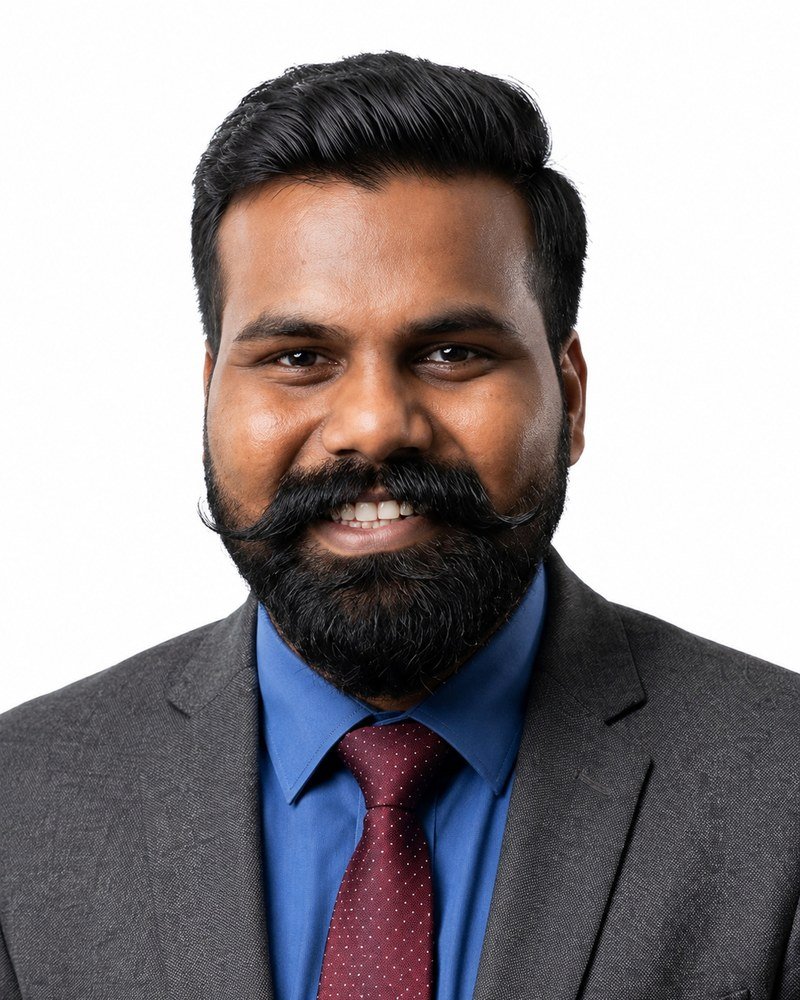
Mohit Sagar
A field-research professional turned entrepreneur, with five years of hands-on experience in survey execution, team leadership, multi-location field operations, data-quality supervision and project coordination before establishing MFRS India.
As Founder & Director, Mohit plays a leading role in the company’s strategic direction, business development and project operations while working closely with the wider leadership and experienced members of the MFRS team.
← Back to Our TeamFounder by vision. Director by responsibility. Field professional by background.
Mohit founded MFRS with the intention of building a research and field-services organisation around lessons learned through actual survey execution — not simply around a proposal desk.
As Founder & Director, he provides leadership across business development, project evaluation, operational planning, field delivery and organisational growth. His role is to help shape how MFRS approaches opportunities and how assignments are translated from a written scope into a workable field plan.
That responsibility is not treated as an isolated decision-making role. Important project and operational decisions are discussed with the relevant members of the leadership and senior team, particularly where their longer experience, sector knowledge or field judgement can strengthen the approach.
Mohit also remains directly connected with execution. Depending on the assignment, that can include reviewing survey requirements, planning field structures, identifying staffing needs, monitoring field progress, reviewing quality concerns and coordinating final delivery with the people responsible for each part of the work.
Leadership supported by deeper field experience.
MFRS includes senior people whose individual professional experience extends to approximately 15–20 years in field operations and related work. That experience matters. Where a decision benefits from a longer field view, specialist knowledge or practical operating judgement, the relevant team members are brought into the discussion before the approach is finalised. The aim is simple: good decisions should come from the best available experience in the room, not from hierarchy alone.
Five years learning fieldwork before building a company around it.
Before MFRS, Mohit worked with the Academy of Management Studies (AMS), Lucknow, progressing through field and supervisory positions from Research Investigator to Field Supervisor / Team Leader and then State Supervisor / State Coordinator.
Research Investigator
Began at respondent level — conducting household interviews, understanding field protocols, completing structured questionnaires and learning what separates a completed interview from a reliable one.
Field Supervisor / Team Leader
Progressed into investigator training, field planning, team supervision, sample execution, reporting and data-quality monitoring across different survey environments.
State Supervisor / Coordinator
Later handled larger operational responsibility involving field-team deployment, state and district coordination, execution planning, supervision and communication with senior project teams.
Experience that moved from individual interviews to large field operations.
Different sectors. Different respondents. The same responsibility to get the fieldwork right.
Mohit’s earlier assignments covered financial inclusion, financial literacy, disability identification, skills and employment, digital services, dairy-sector research, programme awareness and national-scale household surveys. The work varied from direct interviewing to supervision and state-level field coordination.
NABARD – NAFIS 2.0 (National Financial Inclusion Survey)
A substantial household-survey assignment involving detailed interviews, district-wise field planning and tablet-based data collection. The role required both operational supervision and continuous attention to survey quality.
- Managed listing and household-survey activity across assigned locations.
- Supervised investigators working with detailed questionnaires that could take around an hour to administer.
- Trained field investigators on questionnaire administration, methodology and quality expectations.
- Monitored progress and data quality during field execution rather than waiting until the end of the assignment.
- Coordinated team activity and maintained daily communication and reporting with senior project personnel.
- Worked with tablet-based digital data-collection systems.
Persons With Disability Identification Survey
One of the larger field-management responsibilities in Mohit’s professional experience, involving household-level identification work across several districts and a large distributed field team.
- Coordinated a field structure of more than 145 personnel for household-to-household survey activity.
- Planned routes and execution across multiple field locations.
- Tracked team deployment and field progress at supervisory level.
- Focused on accurate identification and supporting documentation of persons with disabilities covered by the exercise.
- Managed the practical coordination required when a large team was working simultaneously across different locations.
Bihar Skill Development Mission
A useful turning point in his field career because the assignment began at investigator level and progressed into supervisory responsibility.
- Conducted ground-level surveys relating to youth aspirations, skills and employment.
- Interacted directly with respondents to understand career and training aspirations.
- Visited KYP, PMEGY and other institutions covered under the assignment.
- Progressed from Research Investigator into a supervisory role during the same project.
- Supported team supervision, reporting and analytical documentation.
Central Financial Literacy Project
A financial-literacy focused field assignment involving household awareness monitoring, local coordination and survey-quality supervision.
- Supervised fieldwork focused on household-level financial literacy and awareness.
- Coordinated with local stakeholders where required for smooth field execution.
- Monitored survey completion and reporting quality.
- Maintained communication between investigators and the project hierarchy during fieldwork.
NFHS-6 – National Family Health Survey
Supervisory experience in a structured national household-survey environment where daily planning and data quality formed a central part of team management.
- Supervised field teams and supported day-to-day survey planning.
- Conducted data-quality checks against field progress.
- Maintained daily reporting covering completed work as well as next-day deployment planning.
- Supported disciplined execution under a structured survey protocol.
STRIVE Project
A skills-sector field assignment involving visits to training institutions and villages to collect ground-level evidence relating to government skill programmes.
- Coordinated field visits across institutions and community locations.
- Supported survey work relating to programme reach and impact.
- Supervised field execution across assigned locations.
- Maintained reporting and field coordination during the survey period.
Stellapps Dairy Survey
An agriculture and dairy-sector assignment involving direct interaction with farmers and collection of structured information on milk production, selling practices and areas for improvement.
- Coordinated survey interaction with dairy farmers.
- Collected and supervised data relating to milk production and sales.
- Captured farmer opinions and practical improvement needs.
- Combined field-supervision responsibilities with broader state-level coordination.
Common Service Centre Survey
A village-level assignment focused on awareness and experience of Common Service Centre services.
- Supervised village-level awareness surveys.
- Interacted with District CSC Managers during field coordination.
- Supported identification of gaps and possible service-improvement areas.
- Coordinated field teams and survey reporting.
Digital Platform Usage Survey
A private research assignment examining the use of digital and social platforms among sampled respondents.
- Supervised collection of information on the use of WhatsApp, Instagram and other digital platforms.
- Supported sample execution and field-level data validation.
- Supervised investigators during data collection.
- Compiled field reporting for project review.
General Awareness Survey
The assignment where the professional journey began — working directly at household level before later moving into supervisory and coordination positions.
- Conducted household-level interviews and awareness-data collection.
- Worked directly with respondents under field-survey protocols.
- Prepared and submitted required field reporting.
- Built the respondent-facing experience that later informed his supervisory approach.
Not just survey experience — operational judgement.
Field planning
Experience planning routes, team deployment, daily targets and field movement across assignments where geography and respondent availability could change the working plan.
Team leadership
Progression from investigator to supervisor and state-level responsibility created first-hand understanding of what field investigators need from the people managing them.
Quality control
Experience reviewing field progress, checking data consistency, tracking survey completion and identifying quality issues while teams are still deployed.
Reporting discipline
Regular responsibility for daily reporting, progress updates, next-day planning and communication with senior project teams.
Investigator training
Experience briefing and training field teams on survey methodology, questionnaires, field expectations and quality requirements.
Working across respondent groups
Exposure to households, youth, farmers, institutions and programme stakeholders across assignments in financial inclusion, skills, health, disability, dairy and digital services.
Leadership stays close to the field — and experience stays part of the discussion.
Mohit’s role at MFRS is broader today than it was during his earlier field career, but major operational decisions are not approached as a one-person exercise. The company draws on the experience of its directors, senior team members and experienced field professionals according to the nature of the assignment.
- Project acceptance should begin with feasibility. Geography, timeline, sample, respondent type, staffing and field conditions have to be understood before committing to an assignment.
- Experience should be used, not just displayed. MFRS includes professionals with substantially longer individual field experience, including people with approximately 15–20 years of practical exposure. Their judgement is brought into relevant planning and operational discussions.
- Decisions should be discussed with the people closest to the issue. A field deployment question may need an experienced field manager; a governance question may need director-level input; a technical assignment may need specialist review. The objective is to use the right experience at the right point.
- People should be deployed according to the work. MFRS uses project-based field structures rather than presenting a permanently inflated headcount.
- A field problem should not stay hidden in the field. Supervisors and coordinators are expected to escalate operational and quality concerns while corrective action is still possible.
- Data quality begins before data cleaning. Investigator preparation, supervision and live field checks are treated as part of quality control, not simply post-field activity.
- Experience should be represented accurately. Personal professional experience, MFRS assignments and self-initiated work are kept distinct rather than combined into one larger-looking project history.
The practical areas he continues to bring into MFRS.
A commerce background alongside practical research and field experience.
MFRS was built from field experience — and it continues to rely on experience greater than any one person.
Mohit’s role has changed from conducting interviews and supervising teams to helping lead a company. What has not changed is the belief that good research depends on listening to the people who understand the work: directors, senior professionals, field supervisors, investigators and specialists alike. Leadership provides direction; experience across the team helps make that direction workable.