
The people behind the work.
MFRS is built around people who understand that research does not become reliable simply because a questionnaire is well written. Someone still has to plan the work, reach the right respondents, supervise the field, notice what is going wrong, check what comes back, and take responsibility for the final output.
Leadership that stays close to the work.
MFRS is guided by people who contribute to the organisation in different but connected ways — from company leadership and governance to strategy, operations, research and field delivery. Responsibility remains close to the work rather than sitting only at the top of an organisational chart.
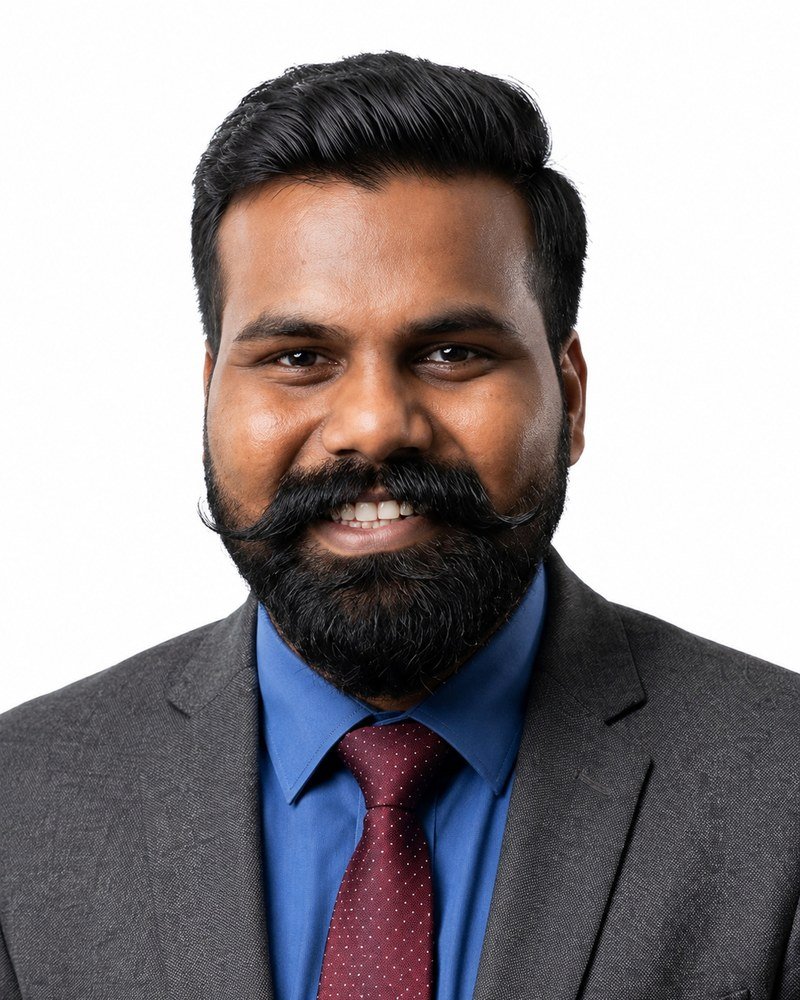
Mohit Sagar
View Full Profile →
Manish Patel
View Full Profile →
Kranti Udaya
View Full Profile →Field leadership built around practical execution.

Anil Kumar
View Full Profile →
Anuj Pal
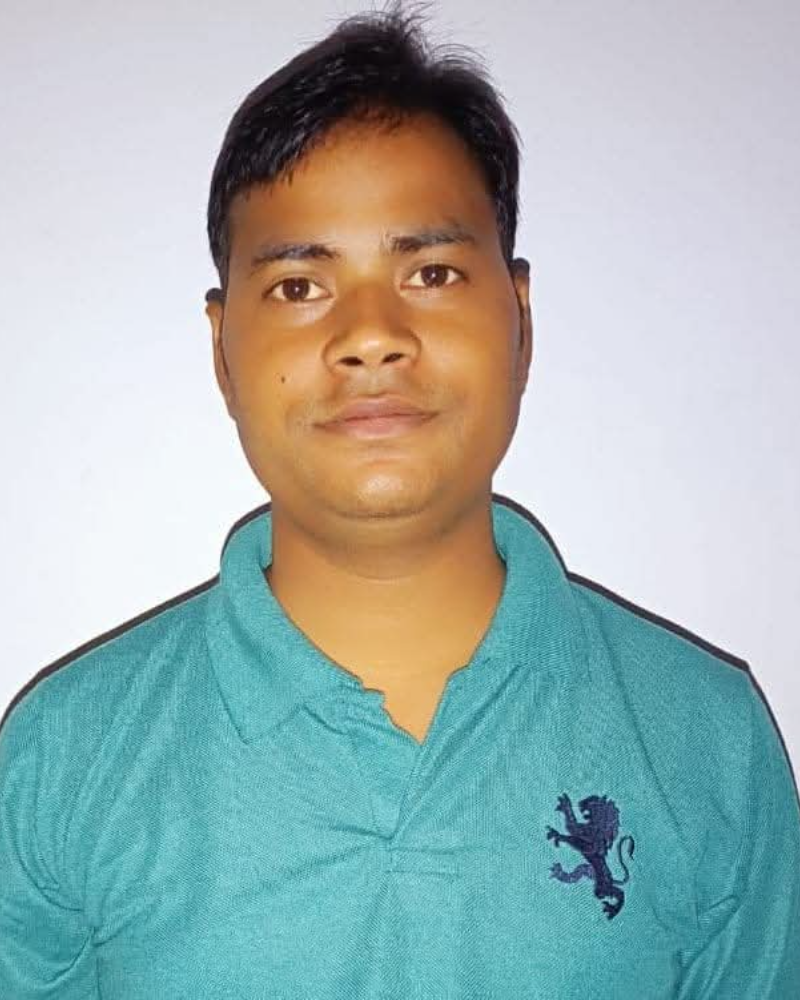
Akhilesh Maurya
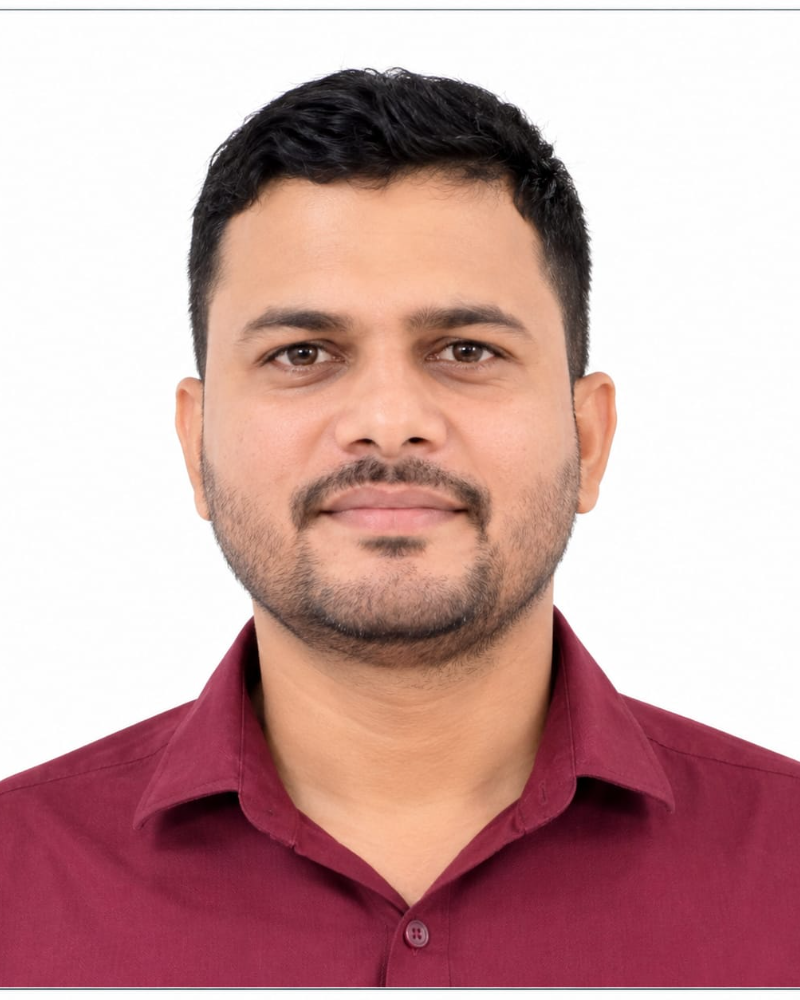
Pankaj Kumar
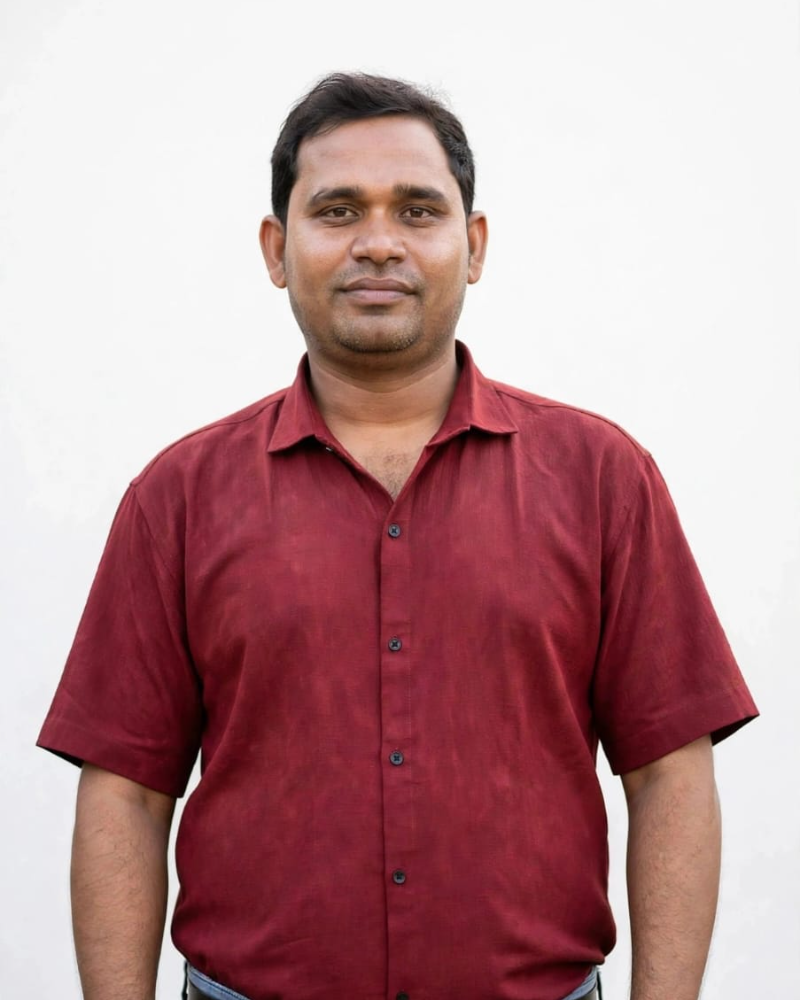
Tarun Kumar Das
The wider team behind field delivery.
MFRS works with people across research, field supervision, coordination, data, quality and project support. Individual profiles will be published here as names, roles and photographs are formally finalised.
XYZ
XYZ
XYZ
XYZ
XYZ
XYZ
XYZ
XYZ
XYZ
XYZ
XYZ
XYZ
A permanent base, with project teams built around the assignment.
Field research rarely requires exactly the same people in exactly the same numbers for every project. A household survey in one district and a multi-state monitoring exercise may require completely different combinations of investigators, supervisors, coordinators, data personnel and quality checks.
MFRS therefore builds field teams according to the actual assignment — including geography, sample size, language, respondent profile, timeline and supervision requirements.
The number of people may change from project to project. Responsibility for planning, supervision, documentation and quality does not.
Plan
Understand the assignment, geography, sample, tools, timeline and reporting requirements before deployment begins.
Build the team
Match field personnel and supervisors to the location, language, respondent profile and workload.
Stay close to the field
Track progress, resolve practical problems, supervise execution and flag issues while there is still time to correct them.
Check before handover
Review data, documentation and required deliverables before the assignment is treated as complete.
Experience matters when it changes the way a project is handled.
The wider people associated with MFRS include field professionals with substantial practical experience, with individual members bringing approximately 15 to 20 years of field experience. We value that experience for what it helps people notice, anticipate and solve.
Knowing the field
A route that looks short on a map may take much longer in practice. Respondent availability, weather, language, permissions and local conditions can change a day’s plan quickly.
Knowing the people
Good fieldwork depends on more than deploying a large number of investigators. The right people have to be matched with the right geography, respondents and supervision.
Knowing when something is wrong
An experienced supervisor should be able to notice unusual completion patterns, respondent access problems, weak probing or inconsistent data before those issues reach the final dataset.
We keep individual experience and MFRS assignments separate.
Professional experience gained by members of the team before joining or establishing MFRS is not presented as work completed by MFRS INDIA PRIVATE LIMITED. Company assignments, previous professional experience and self-initiated work are identified separately wherever that distinction matters.
The work matters more than the designation.
Titles help define responsibility. They do not replace it. Whether someone is coordinating a state, supervising five investigators or checking a dataset, the basic expectations remain similar.
Finishing quickly is useful only when the work remains reliable.
A respondent is a person giving us time and information, not just another number required to complete a sample.
Field problems are easier to solve when they are reported while the team is still in the field.
Important decisions, checks, field issues and handovers should leave a usable record.
Respondent information, client material and internal project data should be handled responsibly.
A task should not be marked complete simply because the deadline is close.
The team will grow with the work.
MFRS is being built to handle assignments ranging from focused local studies to larger multi-location field operations. As the work expands, permanent roles, specialist functions, project teams and field associates can expand with it.
We would rather show an accurate organisation today and allow it to grow properly than publish a large organisational chart before the work requires one.
The right project team depends on the work that has to be done.
Share the geography, sample, respondent group, timeline and expected outputs with MFRS. We can then plan the field structure and level of supervision the assignment actually requires.